Spirit of Place directed by Jack Cooper Stimpson is a deeply evocative short film that takes audiences on a beautiful journey into the heart of nature. The film, which has been nominated to be considered for the 97th Academy® Awards, is a reflection on the relationship between humans and the natural world, exploring how these connections shape our personal growth.

Set in a serene British wetland, the film follows two young adults, Athel and Edward, who venture into the quiet expanses of suburban nature. The film is rich with symbolism, using the wetland itself not just as a setting, but as a character that holds the key to the spiritual journeys the leads take.
The most striking element of Spirit of Place is its exploration of identity through environment. When Athel discovers a crown submerged in the water, the tranquil experience of her visit is disrupted, forcing her to confront the complexities of her connection to the landscape. This pivotal moment acts as a catalyst for her to reassess what the place means to her. The narrative beautifully explores the idea that our relationship to nature is fluid and transformative, challenging us to consider how our identities are shaped by the spaces we inhabit.

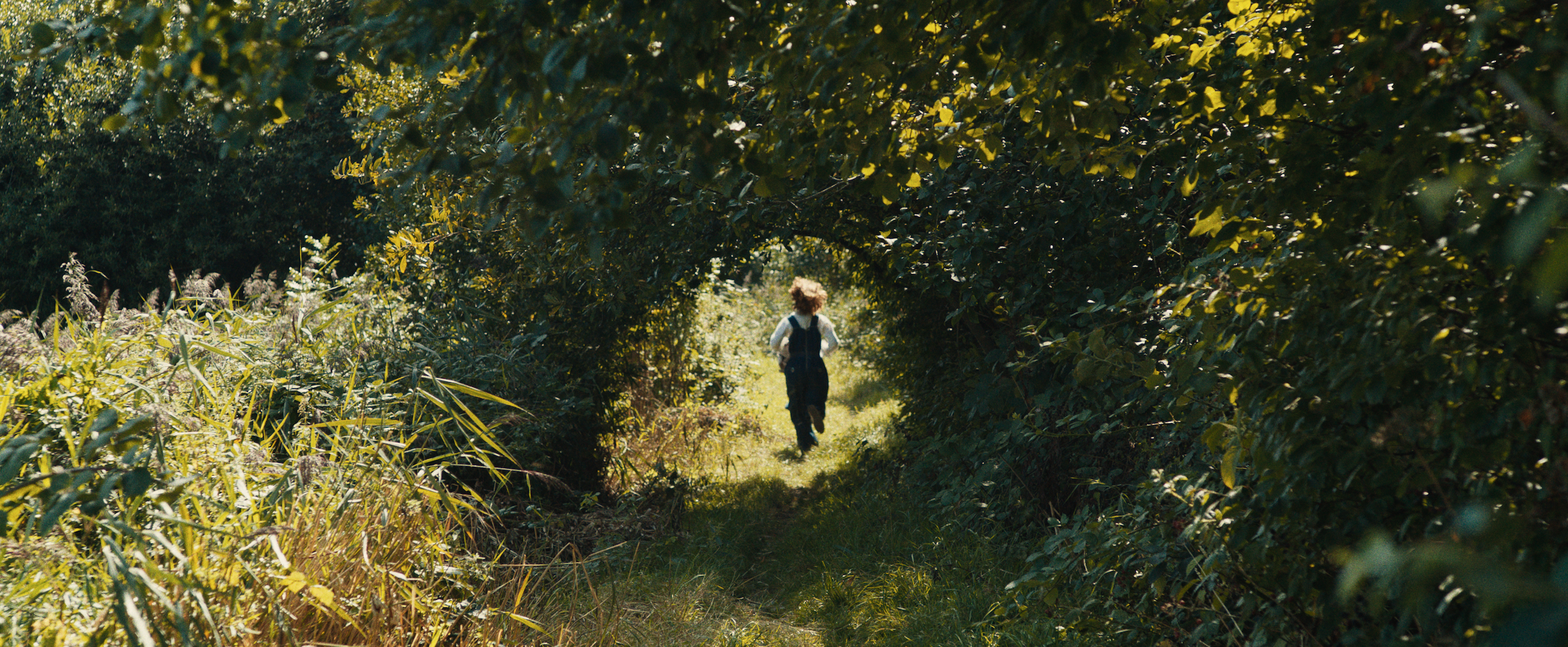
Visually, Spirit of Place is a masterpiece. The cinematography captures the peaceful beauty of the wetlands, with the film’s lush, overgrown landscapes and shimmering waters evoking a sense of both tranquility and unknown. The wetland setting, often under appreciated, becomes a vibrant, vital force in the film’s narrative, encouraging audiences to rethink the value of these ecosystems.
Mark Rylance’s intriguing performance adds another layer of depth to the film. His role, though secondary to the central focus on Athel and Edward, serves as a poignant reminder of the generational link to the land, offering wisdom that contrasts with the youthful urgency of the protagonists. Rylance’s presence is a masterclass in restraint, grounding the film with an emotional subtlety that enhances its magical undertones.
By highlighting the critical need for environmental stewardship, the film also challenges the narrative around access to nature. As urban life continues to push people further from wild spaces, Spirit of Place emphasizes the importance of maintaining a connection to these ecosystems, not just for our survival, but for our personal and spiritual well-being.

The film’s ambition to both engage and inspire is clear. It doesn’t just aim to entertain, but to educate and prompt deeper conversations about our relationship with the Earth. As we witness Athel’s journey of self-discovery, the film subtly encourages us to reflect on our own ties to the natural world and the impact our actions can have on these fragile habitats.