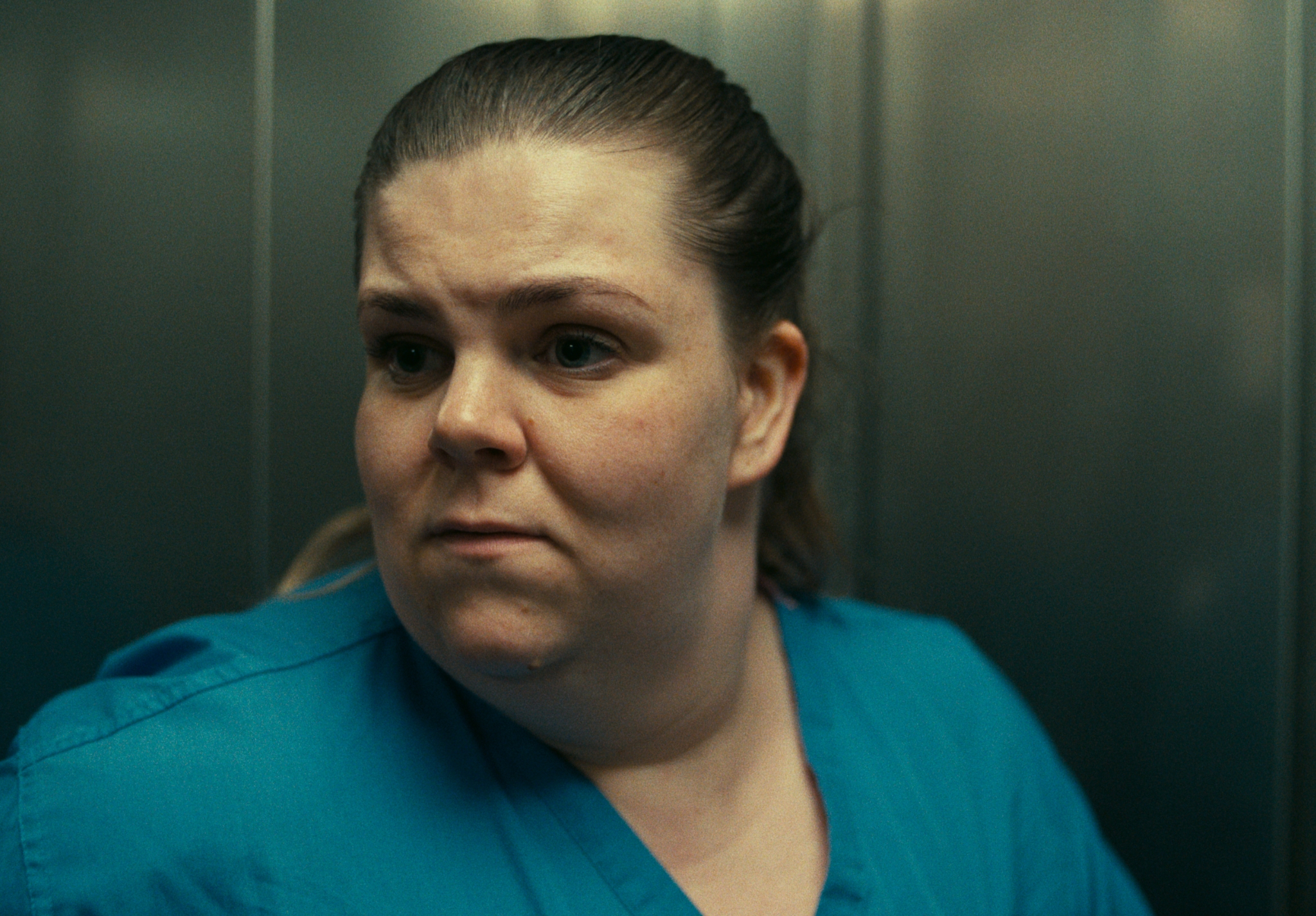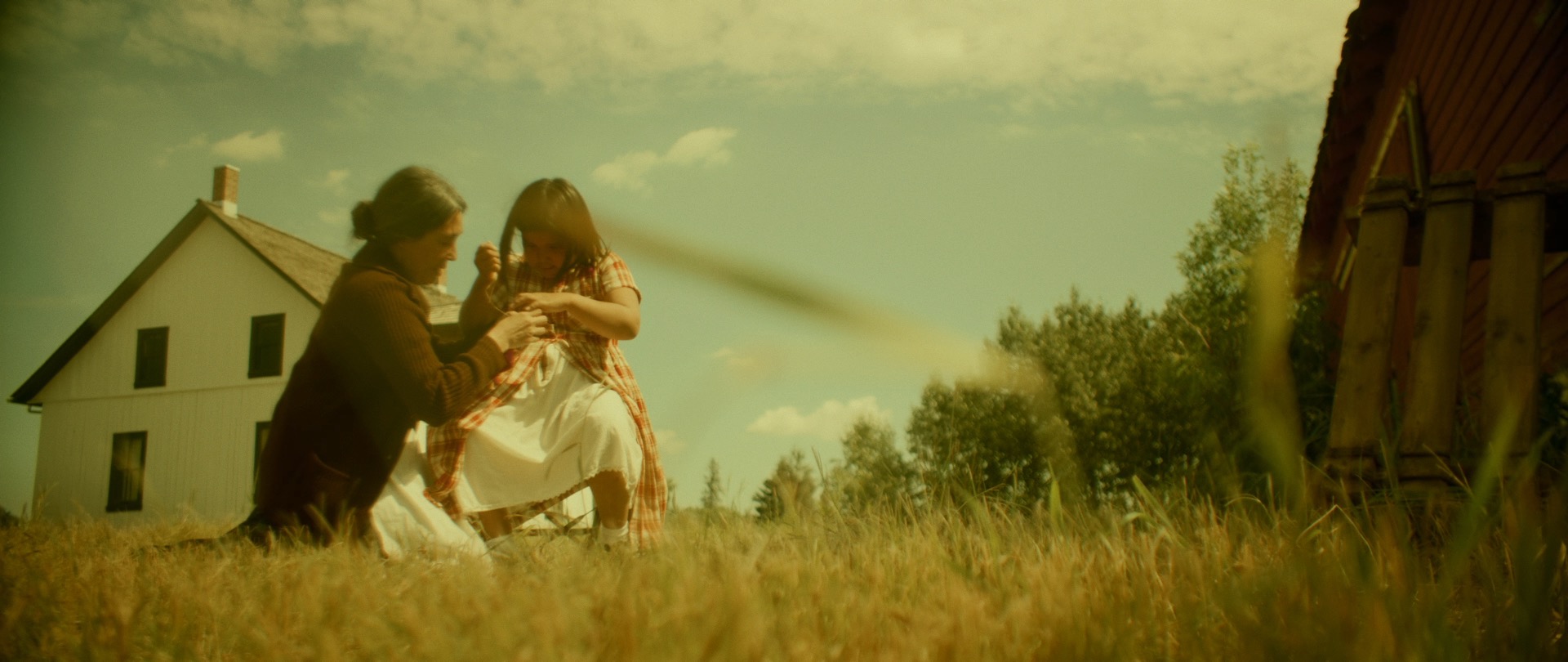

Watching NIGIQTUQ was like watching a moving picture book, where every frame was painstakingly crafted with care and precision. Set in the 1930s, the story follows an Inuk family as they adjust to life in the South. Lindsay McIntyre’s short film, based on her grandmother’s journey, is a striking example of what can be achieved without excessive exposition. The audience is left to ponder on many aspects of the main character’s lives as aspects of their history are slowly revealed to the audience. It’s raw, immersive, and deeply moving—qualities that are often lost in feature length films.
It’s raw, immersive, and deeply moving.
The cinematography by Wes Miron is stunning. He captures wide landscapes that feel endless and intimate close-ups that capture every nuance of emotion. It’s as if the camera itself manages to become an active participant in the storytelling, never just observing but also shaping the narrative. As someone who spent a lifetime behind the camera, I can’t help but admire the haunting quality the film possesses—there’s almost an otherworldly quality to the visuals that makes it feel like you’re witnessing history unfolding right before your eyes.

Lindsay McIntyre, who is of Inuit descent, manages to tell a story that is gripping and full of emotional depth. While I have yet to catch her other works, I see a lot of potential in her early filmmaking career and can’t wait to see what’s next in store for her. The film is a masterful blend of technical skill and emotional depth, a testament to what happens when filmmakers respect the art of the medium.
The film is a masterful blend of technical skill and emotional depth.
NIGIQTUQ won “Best Short Live Action Film” at imagineNATIVE and has earned its place as an Oscar® contender for 2025.
Mark Jacob