1. What inspired you to tell Tobias Mupfuti’s story, and how did you come across his journey?
My parents moved to Zimbabwe before I was born, so I spent much of my childhood between London and Victoria Falls, and I still split my time between the two. Zimbabwe has always occupied a sacred corner of my heart. There’s a magic to it: the way the sun light mingles with dust at the same time every day, the aching trees in the midday heat, the smell of sadza or mazondo cooking on an open fire, the birds, the music, the buses, the feeling of walking through a township at night. The long straight roads. The flowers. The animals, and most of all – the people, the community. It’s a place that feels romantic, nostalgic and deeply personal to me and I’ve always wanted to capture it on film.
Tobias and I are close friends from Victoria Falls. He runs a community boxing gym where he uses membership fees to house, feed, educate, and train local children, many of whom live with him full-time. His life story is extraordinary. He hasn’t just survived hardship, he’s become the kind of person he needed when he was younger, and that to me, is true greatness. When he entrusted me with his story, it wasn’t just an opportunity, it was a responsibility. One I feel deeply honoured to carry.
2. How did you ensure the authenticity of the story, especially given that you’re adapting a real-life narrative from Zimbabwe?
Authenticity comes from truth. We were telling a story about real people in a real place, so it was only right to do so with those people, in that place. We shot entirely in Zimbabwe, with an all-African cast and crew, who knew and understood the nuances of the place and the emotional gravity of the story we were telling. Tobias himself was deeply involved at every stage. We filmed on the actual streets, in the township where his story unfolded—places infused with genuine history and emotion. There are of course fictionalised elements, but the spirit of Tobias’ true story is inherently in the DNA of the film.
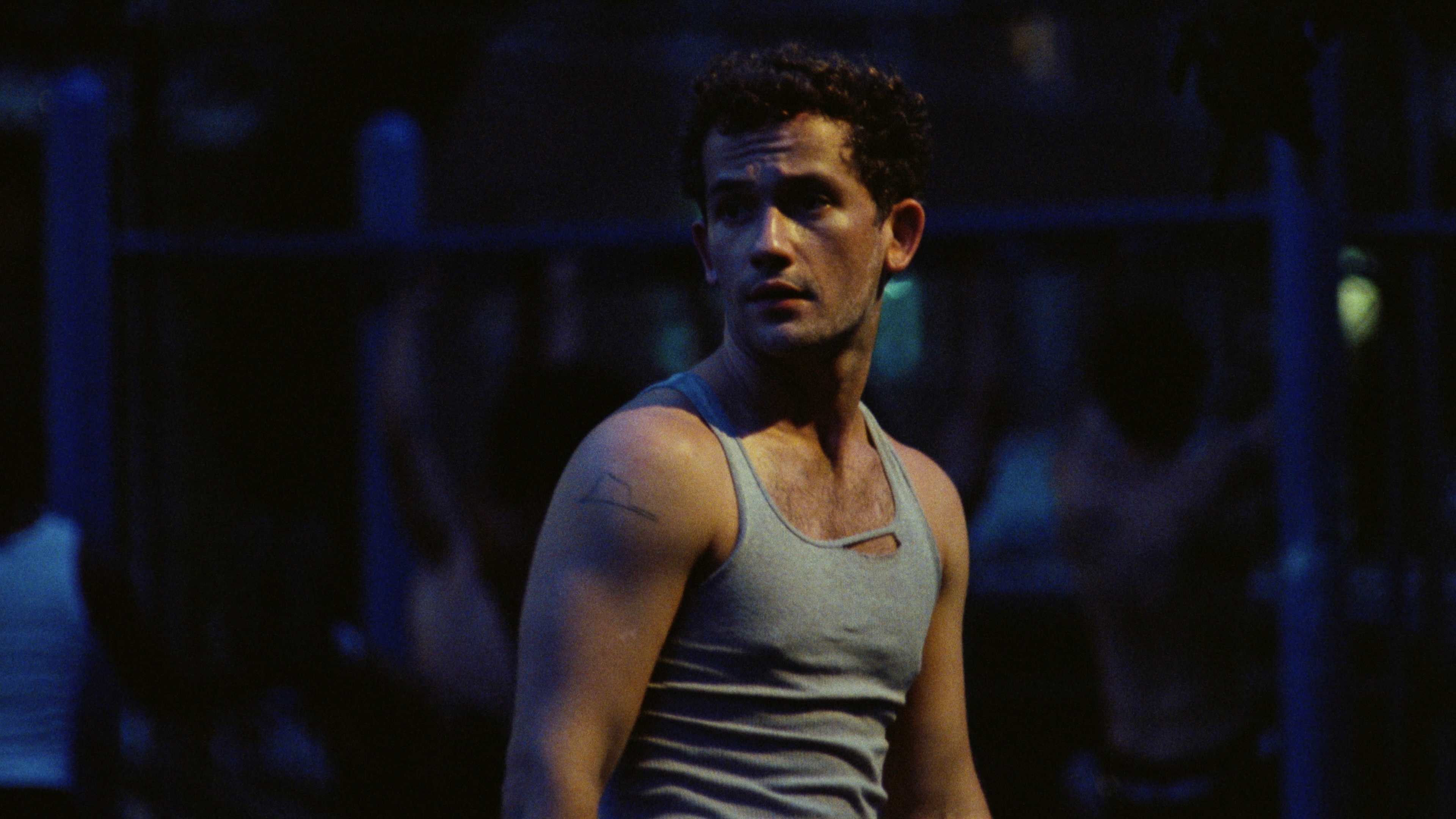
Casting was pivotal too: the exceptional Zimbabwean actor Tongayi Chirisa portrayed Tobias, and for our child star, I insisted on a local discovery rather than importing trained actors from abroad. After an extensive search at primary schools across the country, I cast Sikhanyiso Ngwenya, an 8-year-old boy living in the township just 100 meters from Tobias’s gym, for the titular role. Sikhanyiso had never acted before, but he embodied authenticity. I trained him intensively over many weeks, and his natural performance became the heartbeat of the film.

3. The themes of resilience and mentorship are central to RISE. How do you think these themes resonate universally, even outside of Zimbabwe?
At its core, RISE is about what it means to be seen. Whether you’re a young boy in Zimbabwe or a kid growing up anywhere in the world, we all need someone to believe in us. That’s what mentorship offers. And resilience is Rise’s central characteristic – one that I admire above any. Resilience is not about being fearless, it’s about showing up when the odds are stacked against you, and trying again and again. These are stories
we all carry within us, across borders and backgrounds. It’s why the film speaks to something bigger than place – it speaks to hope and a resilient spirit.
4. This film marks your directorial debut. How was the experience of bringing your vision to life? What were some of the challenges and rewards you encountered along the way?
It was the most demanding and creatively fulfilling experience of my life. Making a film in a country with very little existing film infrastructure meant we had to, as we say in Zimbabwe, “make a plan” on a near-daily basis. But we had an extraordinary team – the very best Zimbabwe has to offer – and the challenge brought out the best in everyone. There was a deep sense of camaraderie and determination that carried us through.
One of the biggest logistical challenges came when I told our producer, Joe Njagu, that I needed a moving train for a key scene. We discovered that there hadn’t been any moving passenger trains in Zimbabwe since COVID. I wasn’t willing to fake it – I wanted the real thing – so Joe worked his magic and made it happen. It meant doing a 22-hour round trip with the entire team in a 44-seater yellow, overland truck just to shoot that one scene. But it was worth every mile (and who doesn’t love a road trip!).
Another moment I’ll never forget was when we wanted to capture the beautiful Victoria Falls, one of the natural wonders of the world, from a perspective that, as far as we know, has never been filmed before for cinema. To reach it, we had to climb down a rocky gorge and shimmy along boulders beside the Zambezi. The water levels needed to be low enough and luckily, they dropped just in time, a day before our shoot. On the day we were scheduled to shoot this scene, we only had 30 minutes until sunset. What’s usually a two-hour round-trip hike (without camera gear) became a full-on sprint. Our incredible DP and 1st AC didn’t hesitate, they were all in. The whole team moved like a stunt crew, carrying gear, protecting each other, navigating rough terrain at top speed. It was intense, but electrifying.
That moment sums up the shoot for me – endless obstacles, met with creativity, grit, and teamwork. We fought for every frame, and I’m incredibly proud of what we put on screen.

5. You worked with an all-African cast and crew. How did this collaboration shape the film’s identity, and what was it like to work alongside local talent?
RISE’s identity was shaped at its core by the people who made it – people who understood the story’s heart through their own lived experiences. While the film’s themes are universally relatable, its emotional nuances and sensory textures – down to the precise sound of a marabou stork taking flight – are deeply rooted in Zimbabwe. Those details mattered. I wanted to honour this place I call home with the specificity and respect it deserves. Capturing Zimbabwe, not just visually, but emotionally, required an intimate knowledge of the land, the people, and the rhythm of life there. That’s something you can’t fake. Our all-African cast and crew brought love, insight, and instinctive understanding to every scene. Their presence is woven into the fabric of the film. It’s what gives RISE its authenticity, its heartbeat, and its soul.
6. RISE is making history as the first Zimbabwean film selected for Tribeca. How does it feel to be part of this milestone, and what do you think this means for Zimbabwean cinema on the global stage?
It’s surreal. RISE at Tribeca isn’t just a personal milestone as my directorial debut, but it’s a collective victory for Zimbabwean storytellers. The talent has always been there; what we’ve needed is access, visibility, and platforms. This recognition at Tribeca feels like a powerful step towards global acknowledgment. I hope this moment kicks the door open wider for more Zimbabwean stories and I hope global audiences start to see Zimbabwe not just as a backdrop, but as a wellspring of story, creativity, and world- class artistry.
7. What do you hope audiences take away from RISE after seeing it at Tribeca and beyond?
I hope it leaves them thinking about what it truly means to become the person you needed when you were younger. I hope they feel seen, and reminded that greatness isn’t always loud. Often, it’s quiet. It’s consistent. It shows up in acts of care, in resilience, in love.
More than anything, I hope RISE inspires people to reflect on how they can show up for others in their own lives—to build community, to extend a hand, and to make sure no one gets left behind.

8. With the success of films like Cook Off paving the way, what does RISE represent for the future of African storytelling in international film festivals?
Cook Off beautifully demonstrated that compelling stories flourish even without massive budgets, affirming a global appetite for authentic, local perspectives. RISE builds on that, and says: yes, we can tell grounded African stories with cinematic flair, emotional depth, and global resonance. The future of African storytelling is vibrant and already here, all we need are more platforms to incubate and amplify these powerful narratives.
9. What has been the most rewarding part of seeing RISE receive attention at Tribeca, especially as someone so deeply connected to the film’s cultural roots?
The most rewarding part has been watching Zimbabweans, especially young people, see themselves reflected and celebrated on this scale. For the kids we worked with, it’s proof that their dreams are valid. For me, it’s a reminder that stories, no matter how small or personal, have power. And when we tell them honestly, they travel.

10. What kind of conversations or reactions are you hoping the film will spark, both within Zimbabwe and internationally?
I hope it starts conversations about the quiet heroes – the ones who don’t get headlines but shape lives. I hope it dismantles outdated narratives about Africa, replacing simplistic stereotypes with nuance, complexity and pride.
And I hope it makes audiences everywhere ask: Who believed in me? Who am I believing in? And maybe most of all: How can I become the person I needed when I was younger?