- What inspired you to make Skin?
Growing up Indian in America, I was very aware of my skin tone from a young age. Especially as a teenager, I hated what I saw in the mirror. I had a visceral desire to rip my body apart and cobble together something whiter. The violence of that feeling combined with the genuine bodily harm skin bleaching creams inflict inspired Skin.
- The film blends horror, surrealism, and cultural critique. Why did genre storytelling feel like the right lens to explore colorism and beauty standards?
Genre is a great way to explore social issues and taboos while entertaining your audience. I love the way Stepford Wives and Rosemary’s Baby critiqued WASPy women of the ‘70s. They were feminist horror films that didn’t feel didactic. More recently, Get Out also brilliantly critiqued the post-Obama, “I don’t see color” America. In my films, I want to do the same – create a theatrical experience that touches on our anxieties in a visceral way.

- The skin-lightening clinic is both visually striking. How did the concept for that setting first take shape?
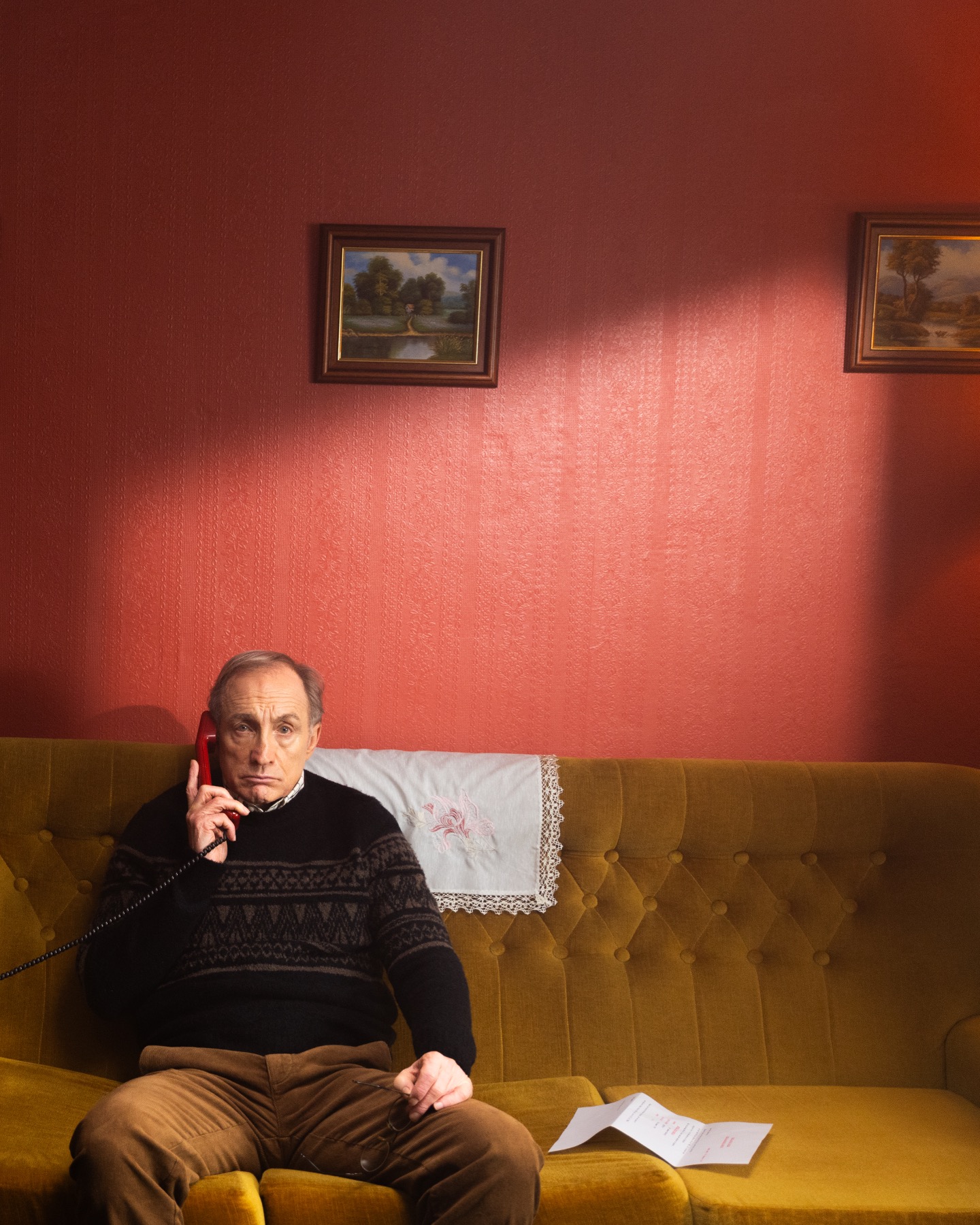
The front-of-house to look spa-like, like an actual Med-Spa, in calming shades of peach and tan, while the bleaching room in the back feels more medical with its high contrast look.
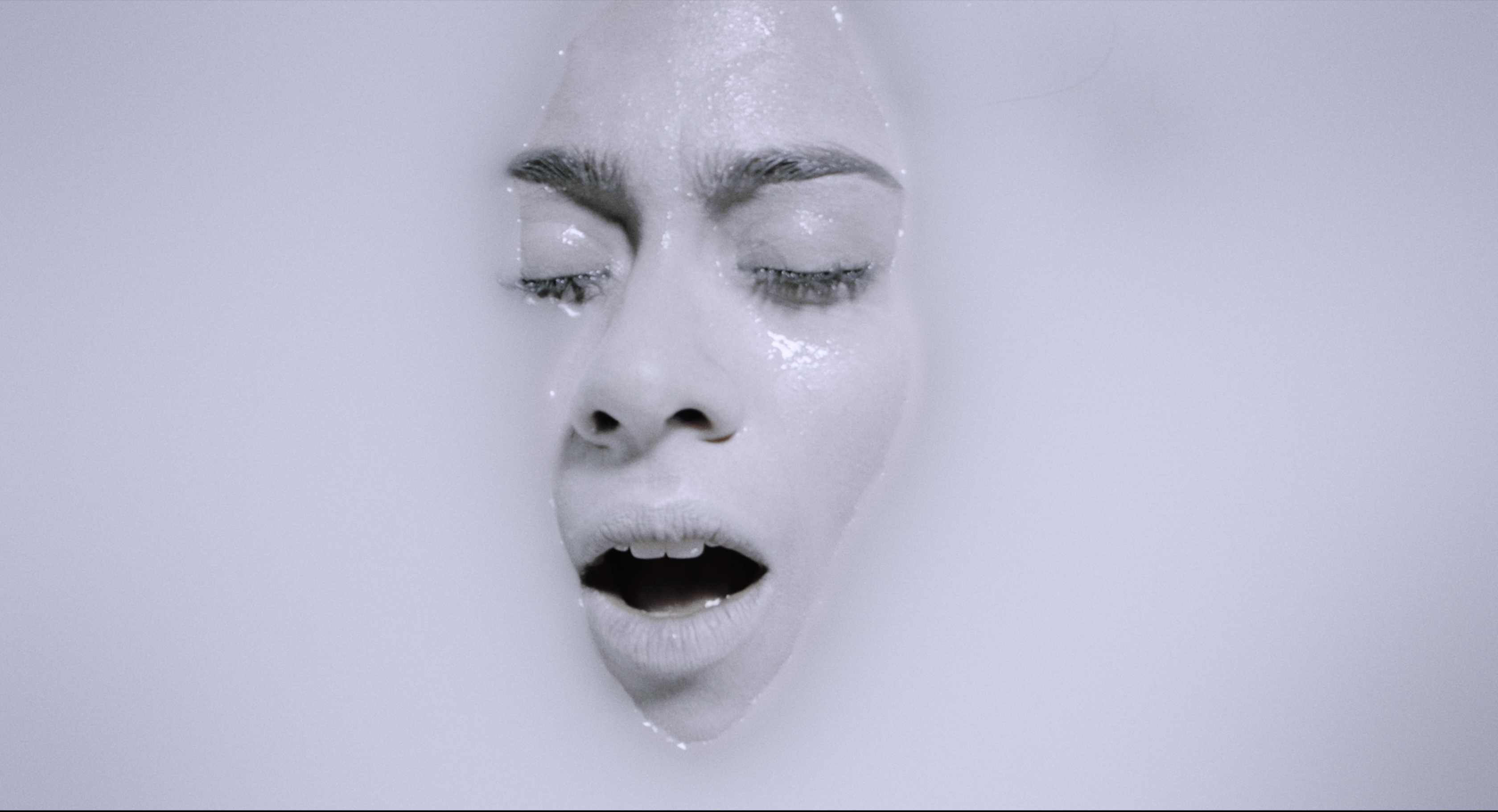
Our lighting story was to have the scariest scene in the film be the whitest and brightest scene. My DoP Kathryn and I wanted to subvert the typical horror film, where it’s the darkness that’s scary.
- Sureni Weerasekera and Shreya Navile give compelling performances as Ria and Kanika. How did you find them, and what convinced you they were right for these roles?
I’m honored to call Sureni and Shreya friends of mine. Once we started the casting process, their faces kept popping into my head. I asked them to send in audition tapes and they both nailed it. Working with talented friends is the best feeling. Shreya sent me a long list of thoughtful questions to prepare for the role of Kanika. She does her homework. Sureni is an absolutely hilarious stand up comedian. I honestly wasn’t sure if horror would be in her wheelhouse, but anyone who’s seen the short can tell you she proved her chops as a scream queen. She really sold the whole thing.

- If you’re comfortable sharing, how have your own experiences with skin-lightening products or procedures influenced the way you approached this story?
I was nine years old the first time my mom’s friend told my mom she should try lightening my skin tone now to help me in the future. My mom listened to the advice, put me in the bathtub, and rubbed a foul-smelling homemade lightening cream on me. I remember screaming and crying. Luckily, my mom decided never to do it again, but I was left with years of shame and insecurity. Later, during my teenage years, I purchased lightening creams myself from the local Asian market. I spent many years of my life as a Kanika, wishing I was lighter, which is why I would never judge her, but I’m happily in the Ria camp now.
- What conversations do you hope SKIN sparks, particularly among women of color who’ve faced similar pressures around beauty and self-worth?
I want people to leave the theater talking about their experiences of colorism. I think sharing our individual stories is so cathartic and I hope that short prompts that.

- The film won the Silver Audience Award at Fantasia. What did that recognition mean to you personally and creatively?
Hollywood is in a weird place at the moment and pitching this story about two Indian American sisters as a horror feature feels like a lost cause at times, but this audience award should be a reminder that colorism is universal and audiences are hungry for a movie about it in 2025.
8. What’s next for you?
We’re currently chatting with producers to get the feature version of Skin made.