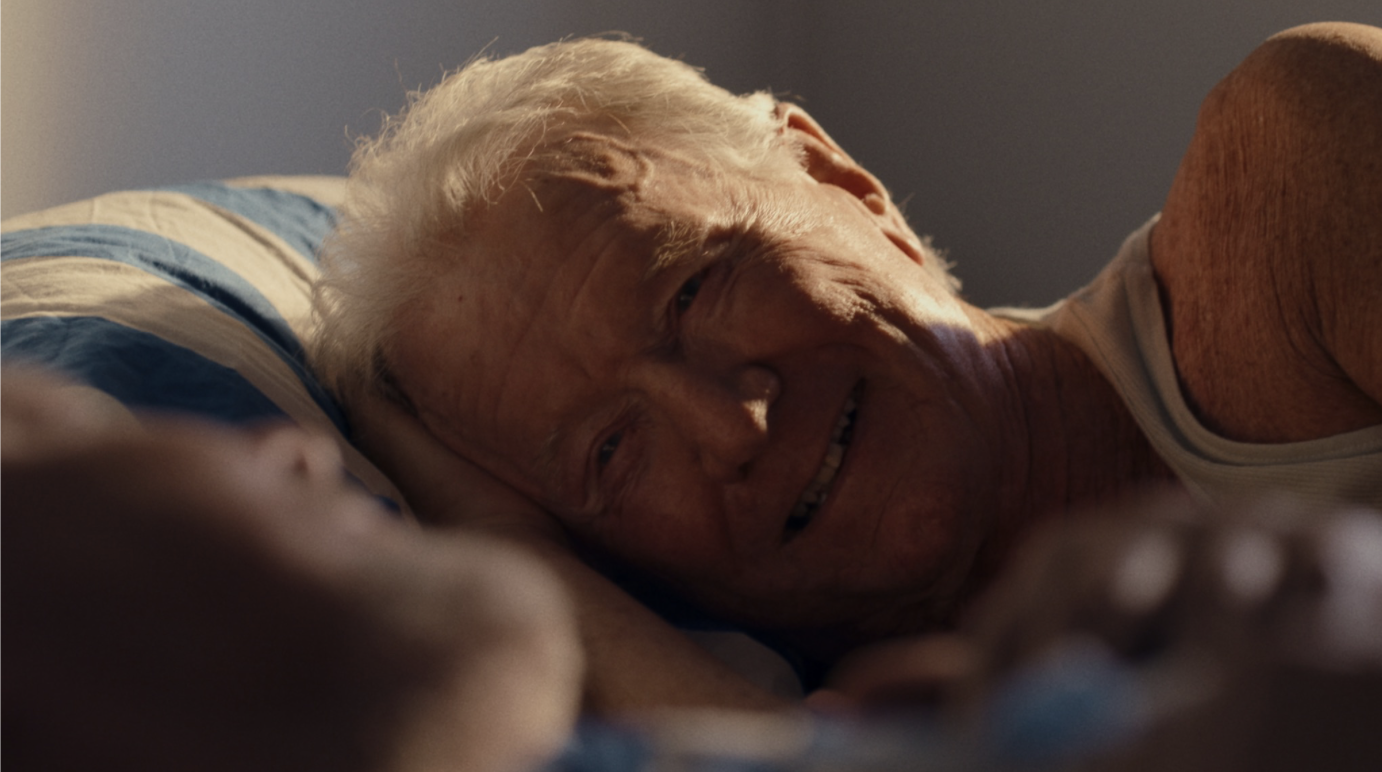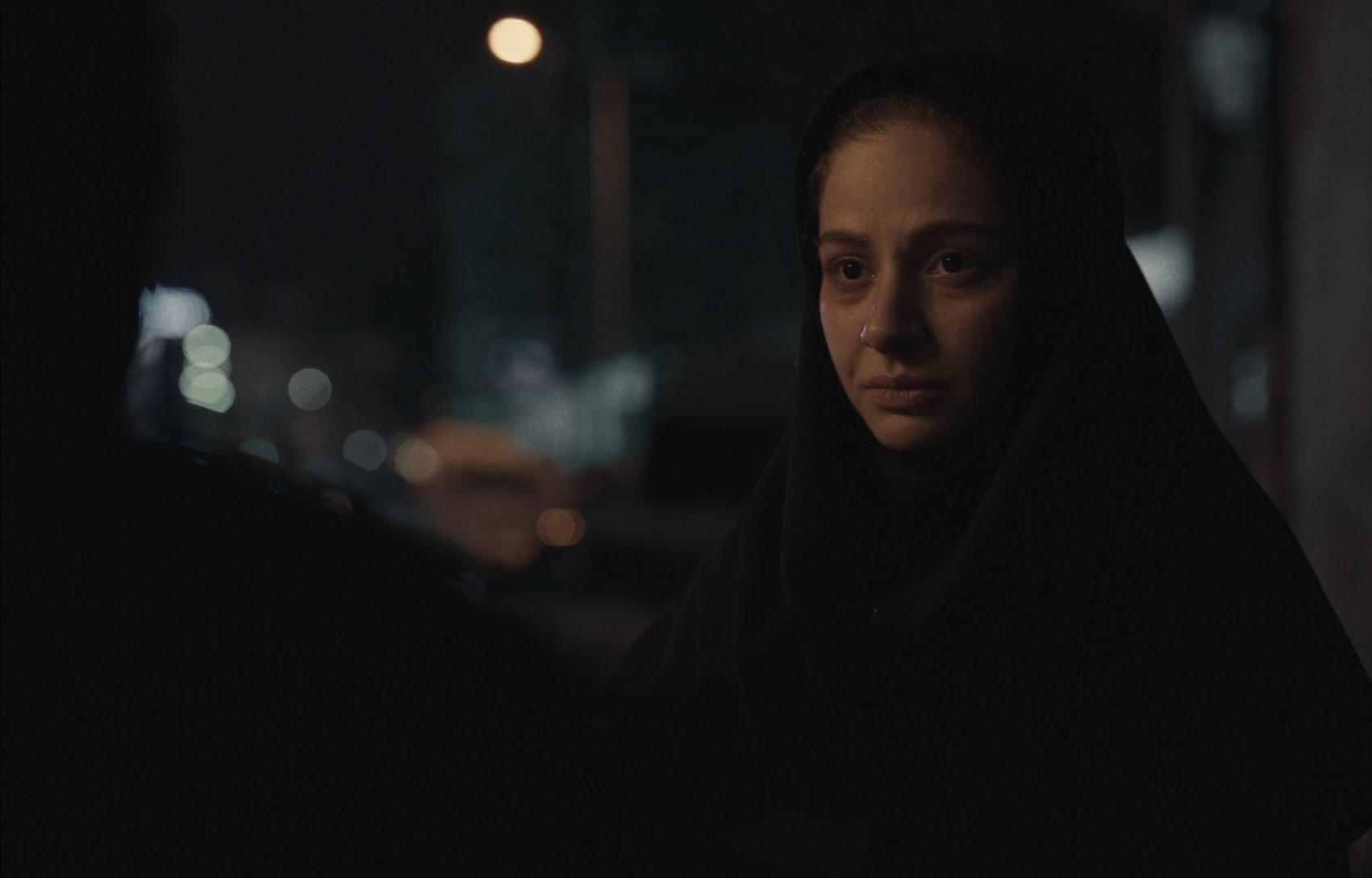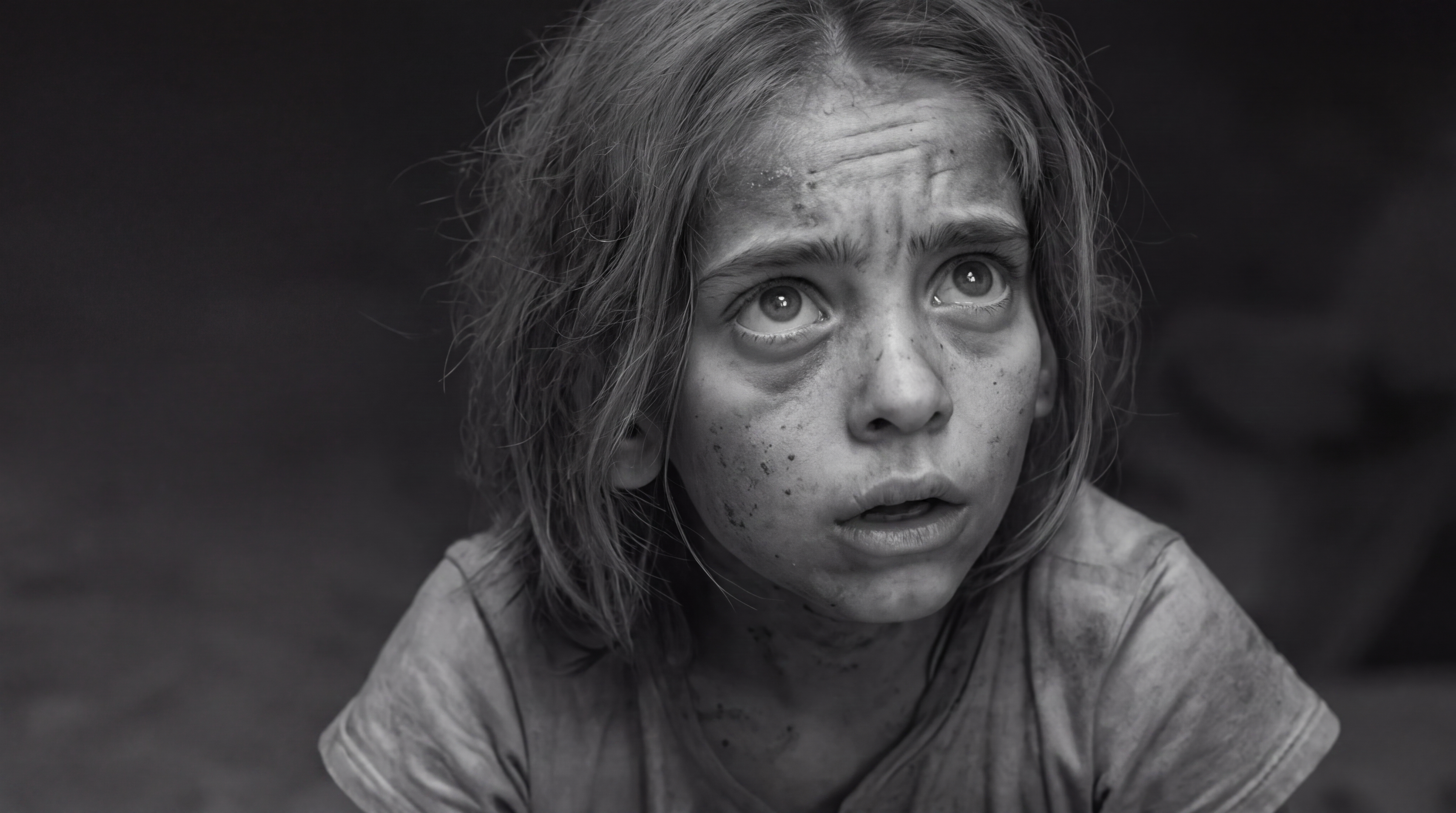
Ahmad Alameldeen’s SAFE ZONE is a harrowing animated short that offers an affecting and tense perspective on the human cost of war. Drawing on the filmmaker’s more than a decade of experience working in humanitarian aid across some of the world’s most troubled regions, the film tells a simple but devastating story of survival. A mother and her eight-year-old daughter are sheltering in a besieged city when a humanitarian aid plane passes overhead. When one parcel lands tantalisingly close, they are presented with a difficult choice as to whether they should venture out in the open to retrieve the package.

SAFE ZONE builds atmosphere and tension around this straightforward but effective premise. Told without dialogue, Alameldeen keeps the focus firmly on the mother and daughter, using their relationship to bring an intimate, human dimension to the wider horrors of conflict. The vulnerability of these two characters speaks volumes about the plight of civilians trapped in war zones, while the film confronts the disturbing reality of starvation being used as a weapon of war, a recurring pattern Alameldeen encountered during his humanitarian work.
The film’s hybrid animation technique, combining traditional hand-drawn artwork with AI-assisted technology, is also difficult to overlook. Its striking black-and-white aesthetic is impressive and reinforces the bleakness of the story, but I also fear that some viewers may find the visuals to have an uncanny quality that proves distracting. Look beyond this, however, and there is much to admire in a film that is both emotionally rich and visually distinctive. The restrained presentation is well suited to the material, allowing the emotional weight of the situation to take centre stage.
SAFE ZONE is a powerful and deeply unsettling short that reminds us of the terrible human consequences of war, particularly for those with the least power to escape its reach. Alameldeen’s background lends the film a sense of authenticity, but it is his decision to tell this story through the eyes of a mother and child that gives it such emotional force. By shifting our attention away from the military conflict and towards the civilians caught in its midst, he delivers a sobering and compassionate reminder of the human cost of war.
Brian Cotter