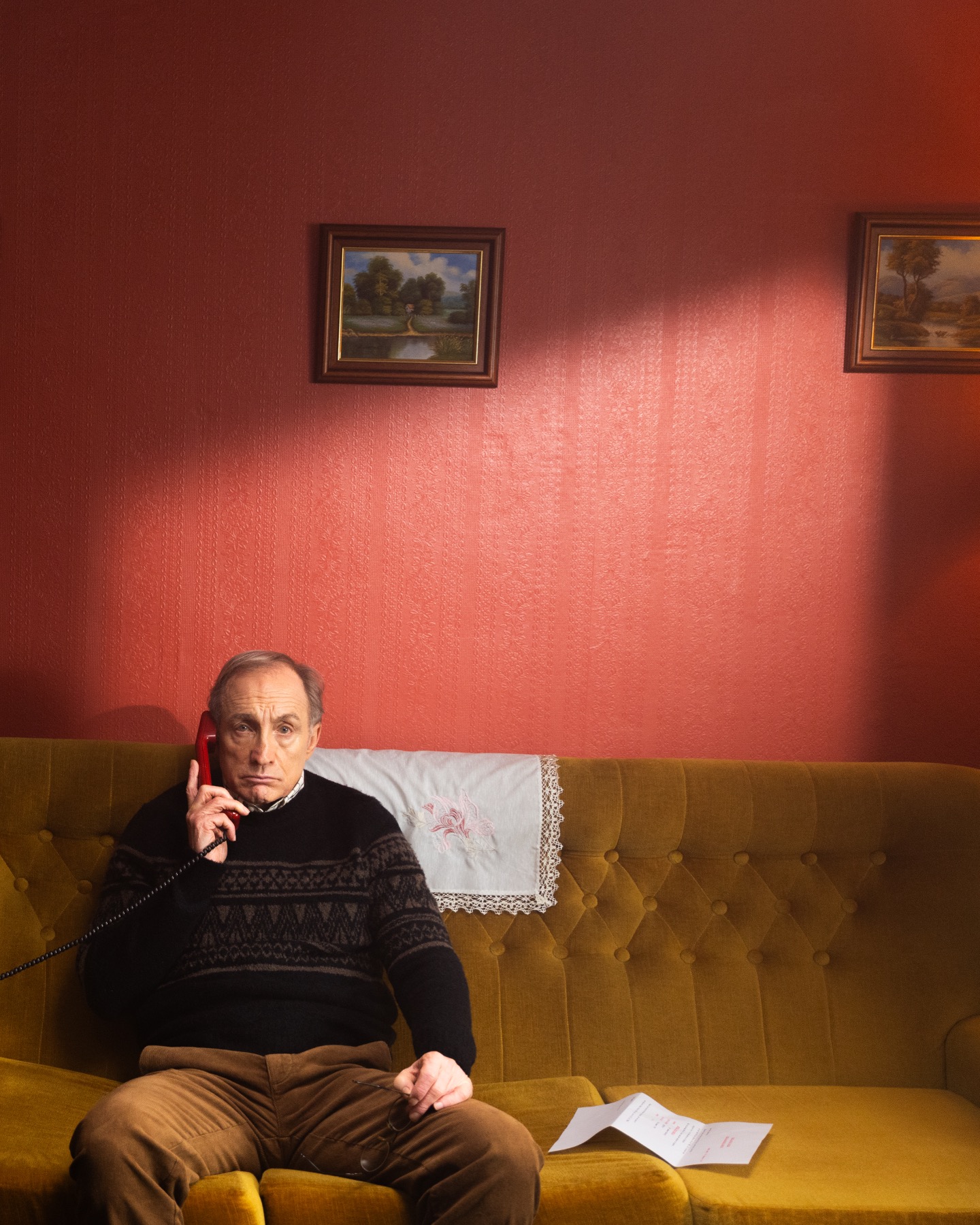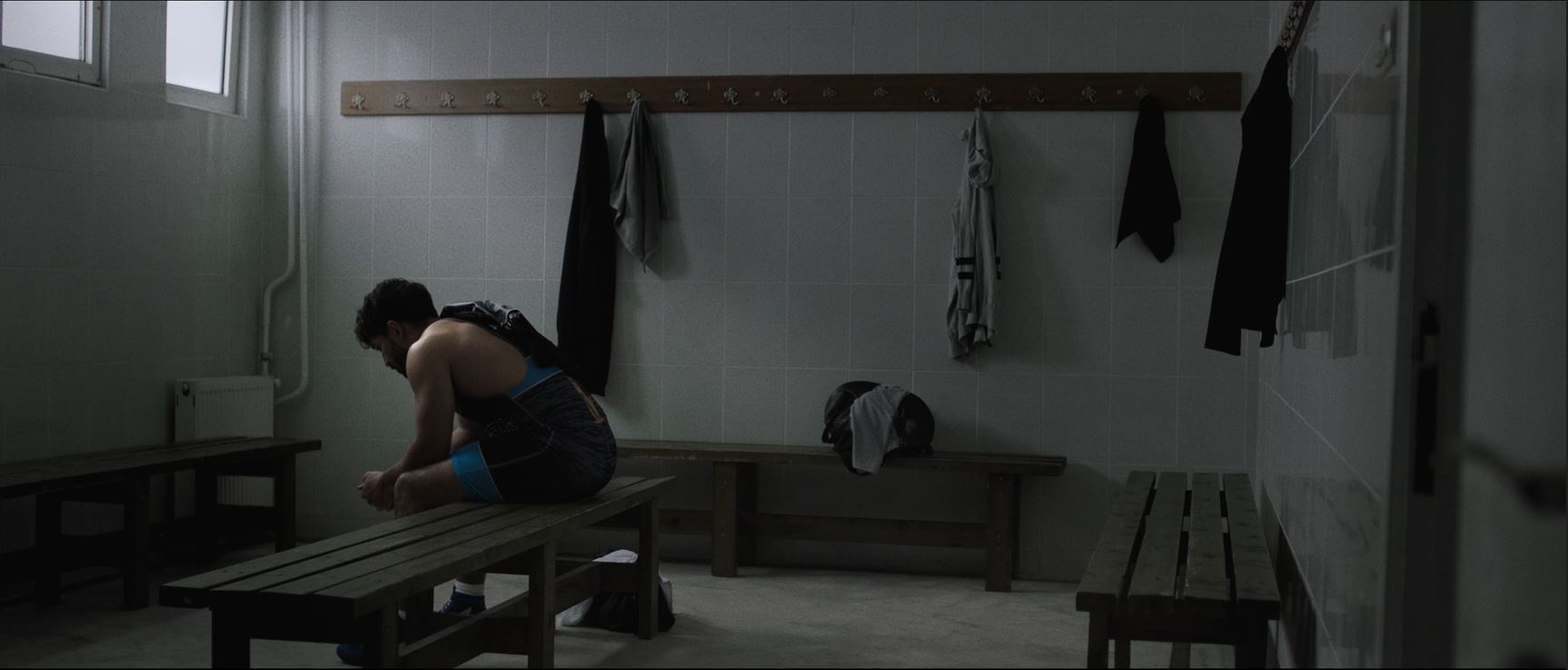

A Good Day Will Come directed by Amir Zargara impressed me. Not just as a story, but as a visual experience that stays with you long after the credits roll.
The first thing that grabbed me was the cinematography – Jelan Maxwell has done a brilliant job. Every shot, every composition feels meticulously crafted to emphasize the emotional weight of the narrative. There’s a deliberate simplicity to the framing, which really puts the character of Arash front and center. The camera doesn’t shy away from lingering on his face, capturing the internal conflict, the tension between his hopes for glory and the unbearable pressure of his conscience.
The pacing is also something to appreciate. As a retired DP, I’m always looking for how filmmakers use time and space. In A Good Day Will Come, there’s a rhythm to the storytelling, with moments of stillness that feel like they stretch time. You’re not just watching a story unfold; you’re feeling the weight of each moment as Arash contemplates his decision. It’s a quiet film, but it’s loud with meaning.
There’s a rhythm to the storytelling, with moments of stillness that feel like they stretch time.
Zargara’s direction is confident – he doesn’t rush the narrative or rely on flashy shots to make a point. Instead, he uses the visual language of the film to allow the audience to sit with Arash’s dilemma. The simplicity of the sets, the muted color palette, and the minimalistic approach to the action all contribute to the tension. It’s all about the internal battle, and the film doesn’t let you escape it easily.

The actors in this film, especially the lead, are given the space to shine in a way that feels natural. It’s an intimate portrait, and I have to say – Amir Zargara’s vision has brought something special to the screen here.
This film qualifies for the 2025 Oscars. In an era where cinema often gets lost in spectacle, A Good Day Will Come reminds us of the power of simple, quiet storytelling that speaks volumes.
A Good Day Will Come reminds us of the power of simple, quiet storytelling that speaks volumes.
Mark Jacob