Wes Andre Goodrich’s Meal Ticket is a stunning example of how a short film can pack the emotional punch and narrative depth of a feature-length thriller. With its sharp pacing, moral complexity, and expertly crafted tension, this 12-minute film demonstrates that the thriller genre, often associated with longer runtimes, can thrive in a brief format.
At the heart of Meal Ticket is Saint, a music manager on the brink of launching his client’s career. But when he’s hit with life-changing news just moments before a crucial performance, he faces an agonizing moral dilemma: will he betray his ethics for a shot at greater opportunity? The story’s premise is simple, but it’s executed with a precision that keeps you riveted, drawn into the complex world of ambition, loyalty, and conscience.

Goodrich’s direction, paired with an outstanding performance from Siddiq Saunderson, who portrays Saint with both vulnerability and resolve, transforms this short into a powerful exploration of human conflict. Saunderson, known for his breakout role in Wu-Tang: An American Saga, brings a raw intensity to the character that is crucial in driving the film’s mounting tension. As the stakes rise, the film becomes less about the external events and more about the internal battle Saint faces, which makes Meal Ticket a compelling character study wrapped in a thriller’s skin.
What stands out in Meal Ticket is its ability to convey an intricate story within a compressed time frame. Goodrich and co-writer Patrick Nichols wisely use the short film format to heighten the emotional stakes with a sense of immediacy and urgency. The ticking clock that hangs over Saint’s decision imbues every frame with suspense, making it feel as if every second is leading to a point of no return.
Meal Ticket also demonstrates how the thriller genre, when condensed, can avoid the trap of bloated storytelling. Unlike many feature-length thrillers that can lose momentum or veer into unnecessary tangents, this short maintains its focus on the core moral dilemma, making every moment feel essential. The concise runtime allows for maximum emotional impact—there’s no room for filler, and that’s what makes the film so effective. It’s a great reminder that less can indeed be more.
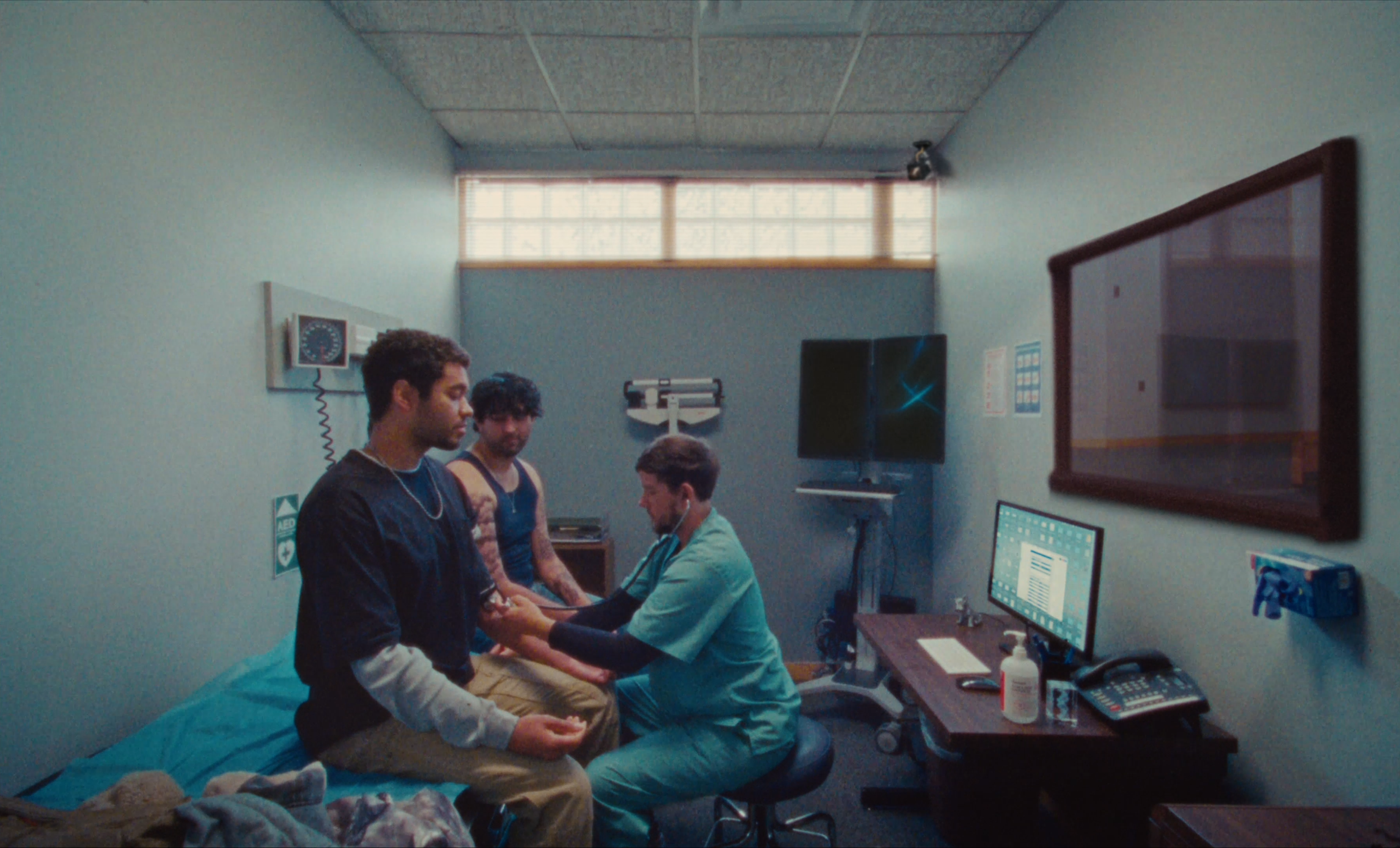
The film’s cinematic qualities also contribute to its success. Cinematographer Ben Hardwicke, known for his work on You’re So Not Invited to My Bat Mitzvah, crafts a visual landscape that amplifies the film’s tense atmosphere. The stark lighting and claustrophobic framing subtly reflect the mounting pressure on Saint, turning every shot into a reflection of his internal turmoil.
Ultimately, Meal Ticket proves that short films—especially in the thriller genre—don’t need excessive runtime to leave a lasting impact. Through its sharp storytelling, tension-filled atmosphere, and moral quandary at its core, this film shows how short films can be just as effective, if not more so, in delivering suspense and intrigue. It’s a thrilling reminder of how the short format can distill complex narratives into something potent and unforgettable.