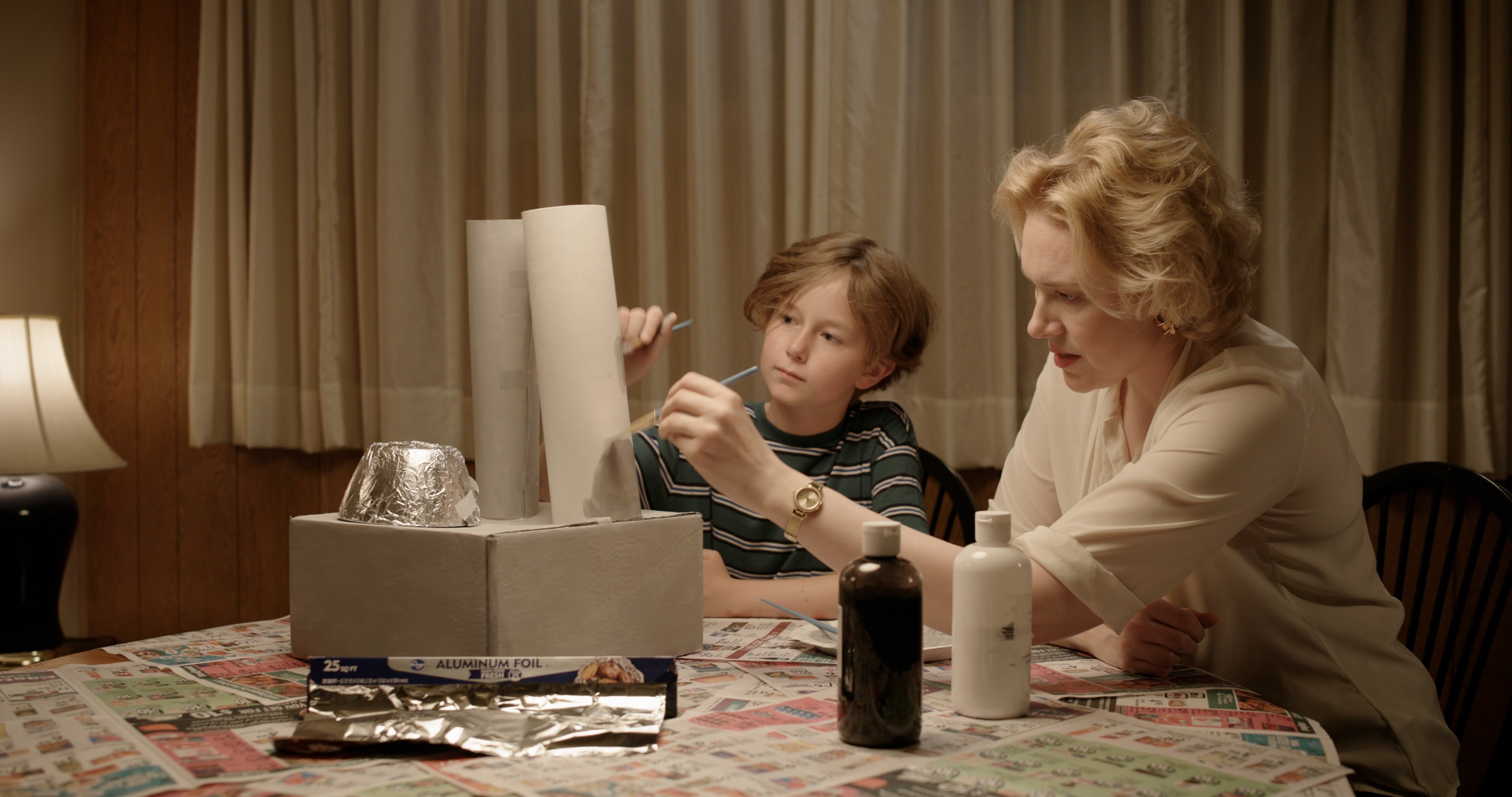
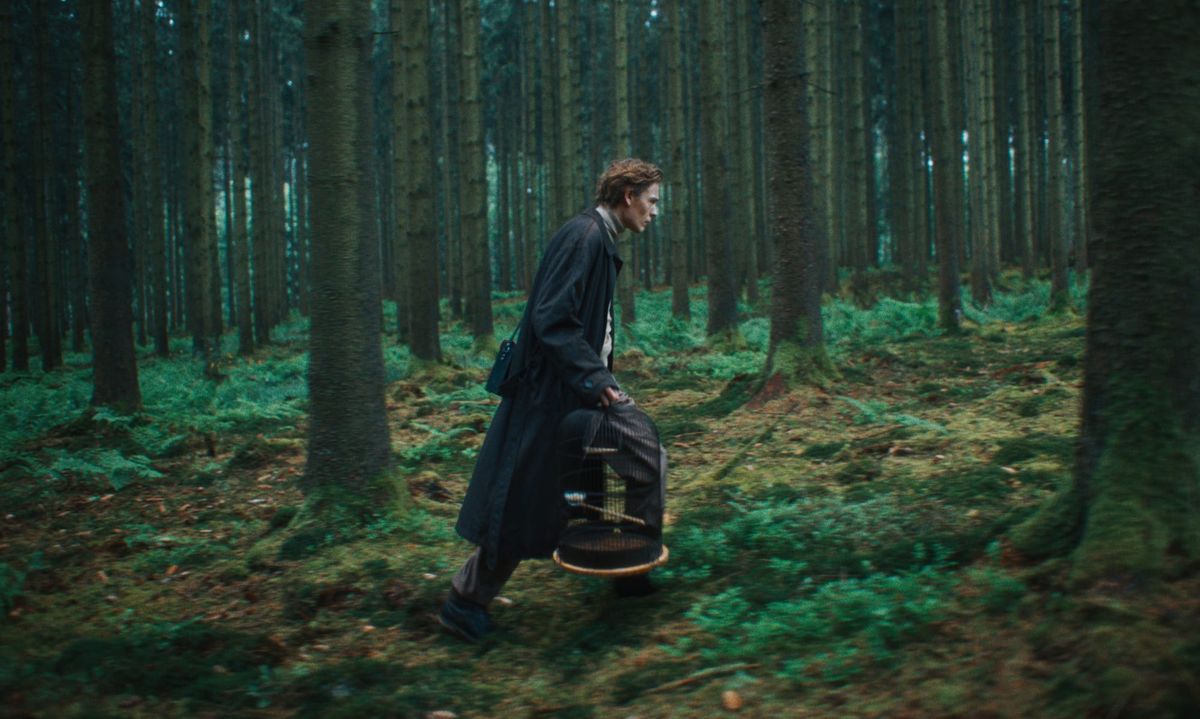
From the moment the camera opens on the Ukrainian landscape, MOEDER directed by Salomon Ligthelm unveils a haunting, cinematic tapestry that captures not only the geographical tension of the battle zone but also the internal conflict of its characters. As a retired cameraman, I can’t help but marvel at the technical choices Salomon Ligthelm makes in this film. The deliberate, almost still composition of the shots gives the viewer a sense of the quiet before the storm. The subtle yet highly effective use of natural light, especially in the opening scenes, does wonders to convey the emotional stillness and isolation of the miner’s world.
MOEDER directed by Salomon Ligthelm unveils a haunting, cinematic tapestry that captures not only the geographical tension of the conflict zone but also the internal landscape of its characters.
What stands out the most is Ligthelm’s ability to create intimacy through visual storytelling. There’s a quiet elegance in the way he frames the lead character, never overly stylized but always purposeful. His lingering shots capture the weight of the moment – the ringing phone, the dust in the air, the expression on the miner’s face – as if the entire world were contained within these small, fleeting instances. The film’s lack of extraneous movement in the camera invites the audience to sit with the characters, to feel their silent confusion and sorrow.
There’s a quiet elegance in the way he frames the lead character, never overly stylized but always purposeful.
One of the most striking aspects of MOEDER is how Ligthelm uses the environment not only as a backdrop but as an active participant in the storytelling. The rugged, earthy tones of the landscape creates an oppressive scene that mirrors the bleakness of the circumstances that surround the near silent protagonist. The cinematography is picturesque, with every frame carefully crafted to create a sense of overwhelming dread suffused with a contemplative silence that pulls viewers’ into its emotional gravity. There’s something beautifully tragic in how the foreign object of the phone, this symbol of modernity, becomes an unwitting bridge between a family’s profound loss and a man who, though physically close, is emotionally distant from the tragedy.

In many ways, MOEDER is a masterclass in visual storytelling. It’s a reminder of how much can be conveyed with a steady hand, a patient eye, and a quiet build-up of tension that culminates in a devastating final scene.
MOEDER is a masterclass in visual storytelling.
Mark Jacob