

It is almost unheard of for a short film to carry the weight of prophecy. But There Will Come Soft Rains does just that. This is a prophecy whispered through sacred soil and spoken with a daughter’s grief. Director Elham Ehsas has crafted a work that is as much an elegy as it is an act of resistance, he has created a film that redefines not only how we talk about climate, but who gets to speak within that conversation.
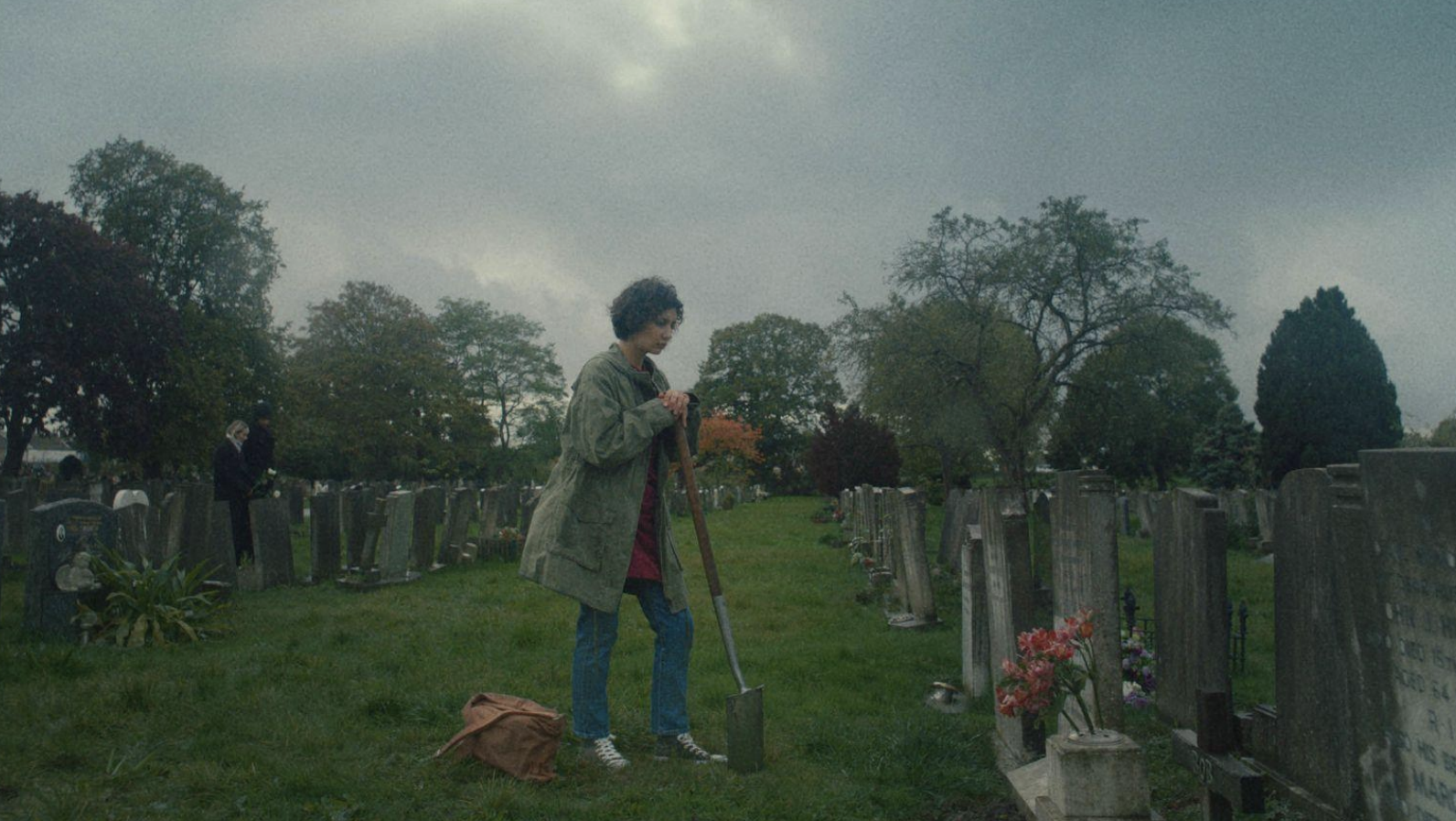
Olivia D’Lima’s Mira, a British-Pakistani woman confronting the reality of rising sea levels, exhumes her father’s grave to move him to higher ground. It is a bold, unsettling act. It is an inversion of religious norm, a breach of tradition, and an environmental gesture that doubles as a scream for agency. Her defiance is silent, internalised, but seismic. It shakes the spiritual foundations of her family, her faith, and perhaps the audience’s assumptions about what it means to be both devout and radical.
D’Lima’s performance is a masterclass in restraint. She rarely raises her voice, yet her presence commands every frame. Through a clenched jaw, weary eyes, and wordless resolve, she makes visible the emotional toll of being a woman caught between reverence and survival. Mira does not rebel for the sake of spectacle; she acts because no one else will. In doing so, she embodies a new kind of climate hero.
The film’s craft reflects this complexity with precision and depth. Every technical element serves the story’s emotional truth. Cinematographer Yiannis Manolopoulos captures the encroaching stillness of a world on the brink soft light, shadowed corners, and desaturated earth tones evoke both mourning and quiet resistance. There’s a stillness in the frame that borders on the sacred, making every movement, every breath, feel earned.
Production designer Rana Fadavi creates spaces that reflect fracture and faith simultaneously, homes and graveyards that feel at once intimate and eternal. There is no binary here between past and present, between ritual and rebellion; the physical world of the film, like its characters, is in a state of metamorphosis. Composer Rushil Ranjan, with the beautiful vocals of Abi Sampa, delivers a score that feels like a sonic prayer woven with grief and resilience. The music lingers long after the screen fades to black, as though echoing a lament that has been sung across generations.
The collaborative nature of this project is its lifeblood. They are intentional, essential. There Will Come Soft Rains is not just a story about climate change, but about who carries its burden, who gets to mourn in public, and who is allowed to define what survival means. In centring a Muslim woman’s interiority, Ehsas upends the conventions of climate cinema and refuses to cede this conversation to the West, to whiteness, or to despair.
In a year of climate headlines, ecological tipping points, and increasing despair, There Will Come Soft Rains offers something rare and necessary: not false hope, but truthful confrontation. It is cinema as sacred act. It is a reclamation of voice, of ritual, and of what it means to mourn in a world that demands we move on.
★★★★★
A cinematic lament, a spiritual reckoning, and a climate film unlike any other. Elham Ehsas has delivered a quiet epic of ancestral grief and radical resilience. The earth may be shifting, but this film plants something that will grow long after the rain has come.
Briony Stephens