Natalie Lauren’s Oscar-qualified short turns school distress, sensory overload and institutional pressure into an intimate and deeply affecting 15 minutes

There is a moment in Unauthorised Absence when the language surrounding a struggling child begins to feel almost absurdly inadequate. Attendance. Absence. Fines. Compliance. These are neat administrative words for an experience that is anything but neat.
Directed by Georgia Parris, written by Jo Clayton and developed and produced by Natalie Lauren, the Oscar-qualified short takes those impersonal terms and reveals the frightened child and exhausted mother hidden behind them.
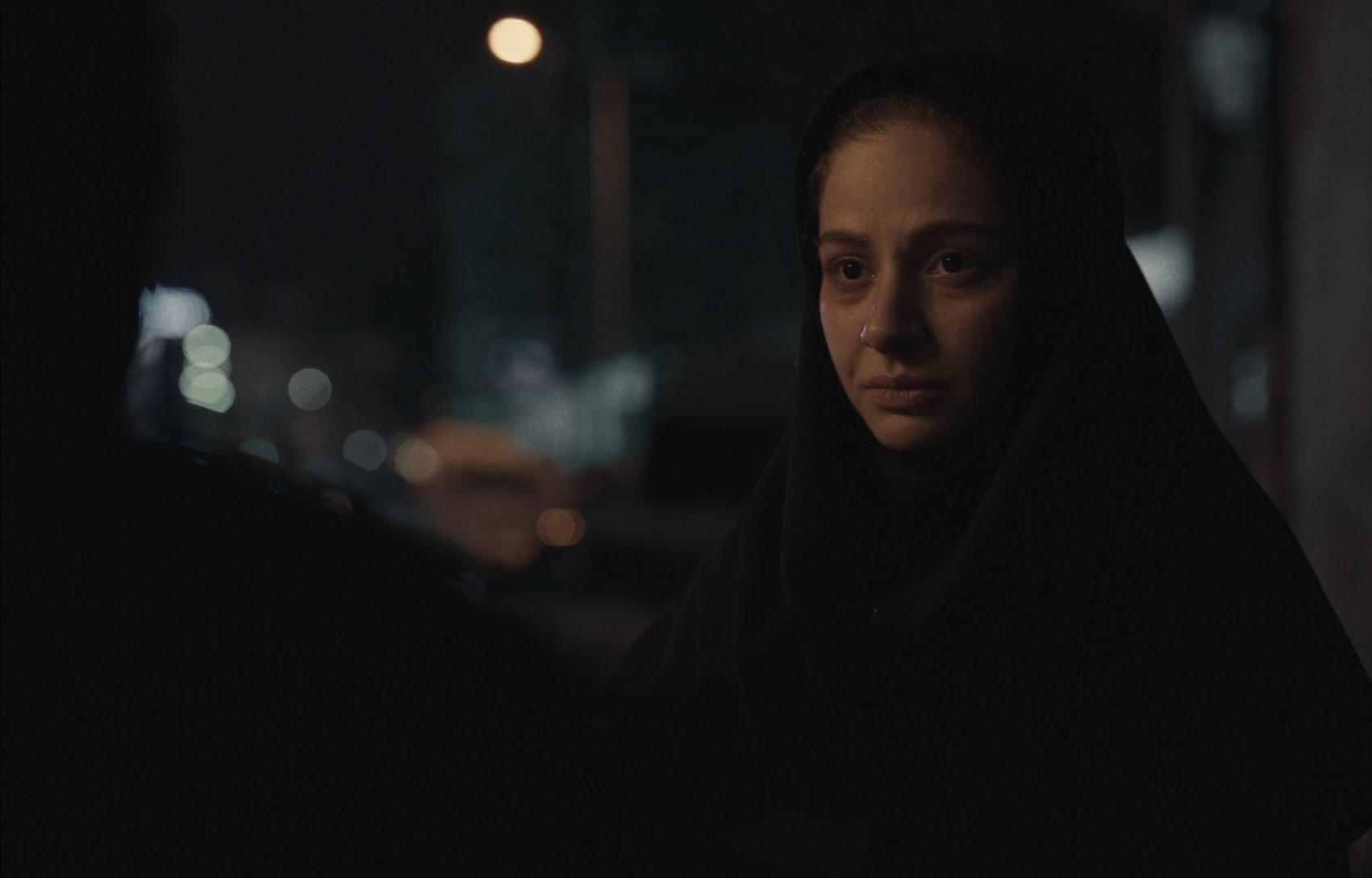
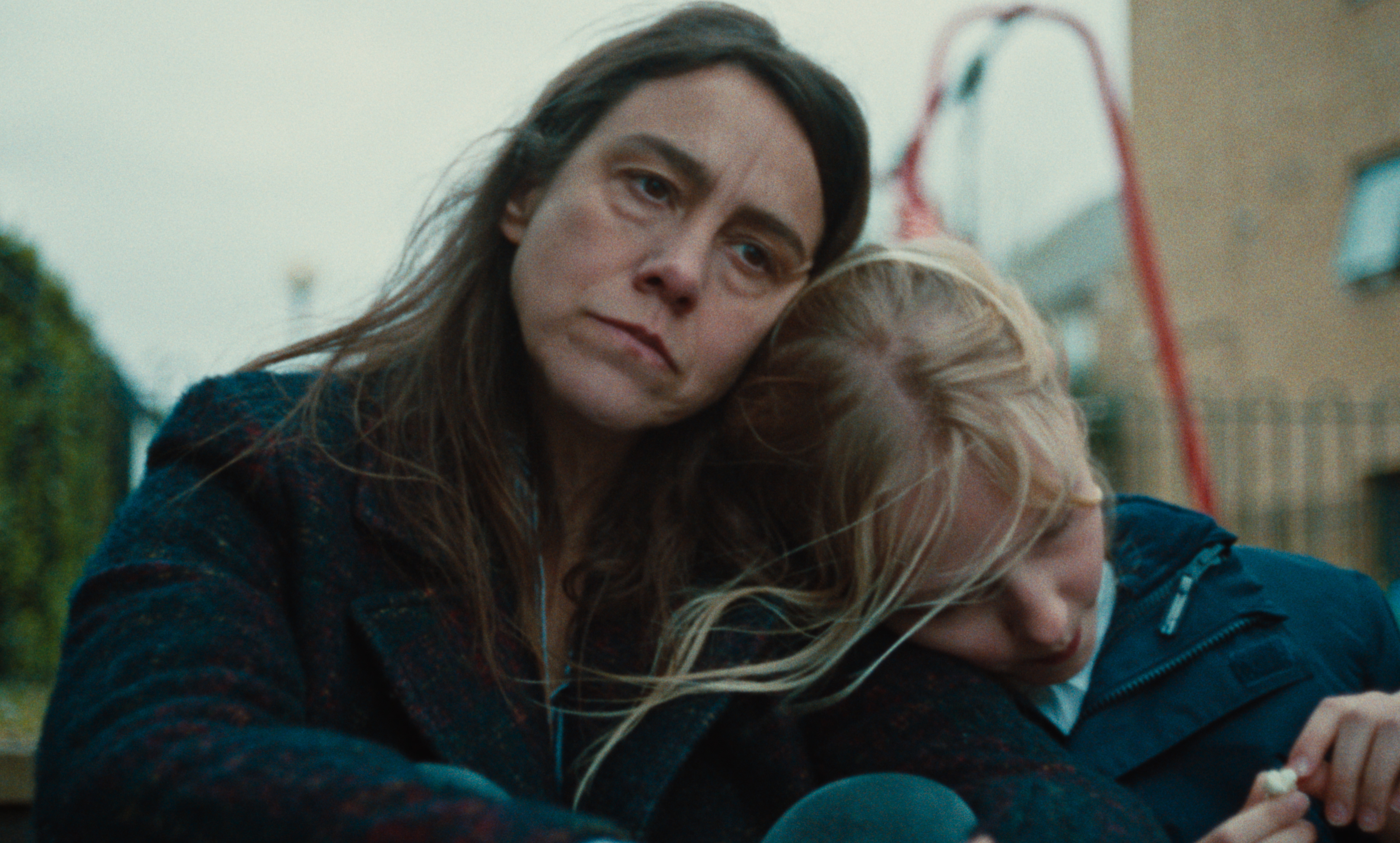
At its centre is Anna, a mother trying to protect her nine-year-old neurodivergent daughter, Thea, as she experiences severe school distress. Anna does what parents are repeatedly told to do: she asks for help. But rather than finding a system capable of recognising what is happening to her daughter, she finds herself caught between Thea’s needs and demands for school attendance she cannot realistically meet.
And then come the fines.
What makes Unauthorised Absence so effective is that it does not attempt to turn this experience into a lecture.
Instead, Lauren puts us inside it.
The film’s fragmented storytelling and intimate handheld camerawork create an almost claustrophobic proximity to Anna and Thea. We are not simply watching a child becoming overwhelmed; the filmmaking gives us a glimpse of what that overwhelm might feel like.
Sound is particularly important. Fluorescent lights, traffic signals, voices and the ordinary noises most people barely register suddenly become impossible to ignore. As they accumulate, so does the tension.
It is an intelligent creative decision because the film never needs Thea to explain herself for the audience’s benefit. Her experience is communicated through sound, movement, expression and silence.
The same restraint shapes its portrayal of motherhood.
Anna is not presented as a heroic parent battling a conveniently villainous institution. She is simply a mother becoming increasingly exhausted by the impossible task of simultaneously protecting her child and satisfying a system that appears unable to accommodate what that child needs.
That distinction matters.
Born from lived experience and informed by the testimonies of hundreds of families, Unauthorised Absence feels painfully specific. Yet its questions reach far beyond one family.
What does “attendance” mean when a child is in genuine distress? When does encouraging a child into school become something more damaging? And what happens when the mechanisms intended to improve attendance end up increasing the pressure on a family already struggling?
Two-time BAFTA winner Anna Maxwell Martin (Motherland, Line of Duty, Ludwig) makes her executive producing debut on the film and also lends her voice to a role. The wider team includes BAFTA winner and Golden Globe nominee Cathy Tyson, BAFTA-nominated Alix Wilton Regan and 2026 BAFTA winner Jennifer English.
But Unauthorised Absence ultimately succeeds because it keeps its focus small.
At just 15 minutes, it does not pretend it can solve the complicated questions surrounding neurodivergence, school attendance and support. Instead, it asks audiences to look beyond the terminology and consider what might actually be happening inside a home when a child cannot walk through the school gates.
By the end, the title itself has taken on a different meaning.
“Unauthorised absence” may appear as two words on an attendance record. This quietly powerful short asks us to consider the human story those words can conceal.
A compassionate, unsettling and impressively immersive film, Unauthorised Absence gives a voice to families who have spent too long trying to make themselves heard.
Michael Gibbens